
The RAM shortage just got serious!
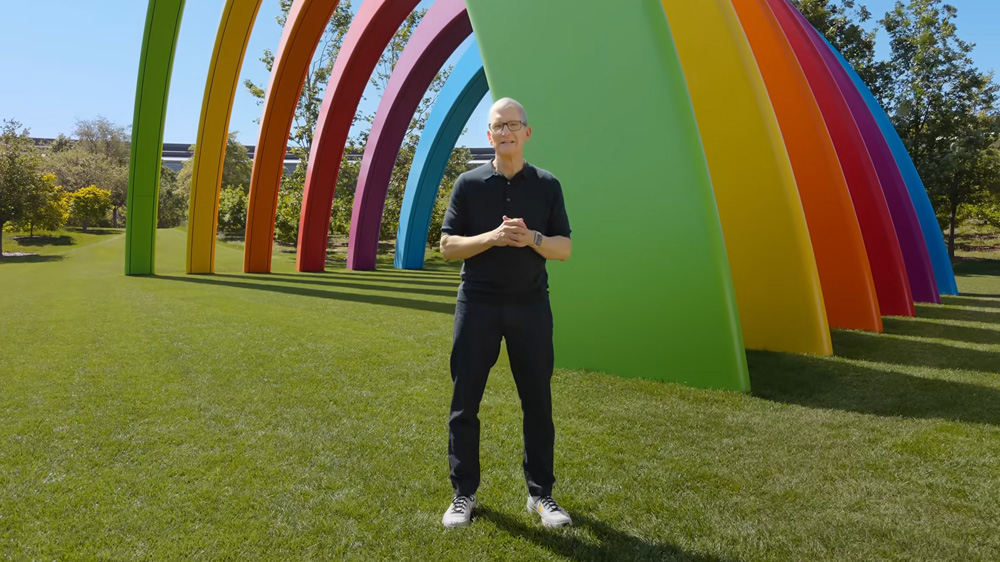
You know the drill. If you want an Apple product, it’s going to cost the same price in any store, at any time of the year.
It’s simple as far as Apple’s concerned – you want, you pay!
Apple doesn’t do discounts. Apple doesn’t do sales. But equally as true is that Apple doesn’t increase prices during a model year. That’s always been true – until now.
Tim Cook recently warned that there would be some price increases coming soon as a direct result of the RAM shortage that we’re experiencing as a direct result of our good old friend – AI.
What we didn’t know was that those increases would take effect almost immediately.
It seems like only yesterday that we first heard about Artificial Intelligence, yet here we are, in what seems like the blink of an eye, with the crazy demand for it holding the tech consumer market to ransom.
If you thought the extent of the situation was being exaggerated, think again. The fact that Apple has just announced hefty price increases across the board makes it as real as a heart attack (I can’t take claim to that phrase – it came from an old Marlena Shaw number)!
The writing was on the wall
The signs have been there for months in plain sight.
I was at CES this year, and on the face of it, everything seemed ok, but there was this undercurrent of uncertainty. Of course, everything was AI this and AI that, but the vibe was generally optimistic.
There were already murmurs about this storage situation taking a grip, but everyone I spoke to was clearly just kicking the tin down the road and very clearly putting their head in the sand.
Everything would be alright…or so they thought!

Sony was one of the first of the big boys to blink when they ceased production of SD, micro SD and CFexpress cards earlier this year. As it turns out, that was just a wee taster of what was to come.
Next in the firing line were game consoles with PlayStations, Xboxes, Switches and Steam Decks, all seeing some serious price hikes and supply issues.
Then, in May, Apple started to axe models from the current lineup, which again was a first as far as I can remember.
First, Apple dropped the base model Mac mini, then cut the 32GB and 64GB models. Now you can only choose between the 16GB and 24GB models. The M4 Pro Mac mini maxes out at 48GB of RAM, with the 64GB option no longer being available. During this May culling, Apple also killed off the 256GB storage choice of the Mac mini.
The M3 Ultra Mac Studio lost the 256GB model, and it’s now only available with 96GB of RAM – that’s it! That’s the only option of the M3 Mac Studio you can buy…if you can buy it, that is!
If you want one of these Macs, you’ll have to be patient & wait! Delivery times are being quoted by Apple from between three and ten weeks!
Worse was yet to come
After trimming as much fat as possible, we have now been hit by some inevitable price increases.
The cute little MacBook Neo that has caused such a stir saw the base model jump from $599 to $699. The MacBook Air was handed a $200 increase, and the base 14-inch MacBook Pro went from $1699 to $1999.

The Mac Studio that we were just talking about had a huge $500 increase, with the iPad Air and iPad Pros both seeing price jumps. Hell, even the low-volume Vision Pro (remember that?) and HomePods weren’t exempt from the price increases.
We all know that Apple’s margins are pretty comfortable, so if they can’t ride this storm out, there must be plenty that we should be worried about. Bear in mind the immense purchasing power that Apple has and couple that with the fact that they have the pick of suppliers to choose from, and that should set the alarm bells ringing for us all.
This situation is very real, and you’d be a brave person to argue that it’s not about to get worse.
If Apple felt compelled to raise prices immediately and during the middle of the current model year, then we can only assume that the prices they are having to pay for RAM and storage must have risen a lot!
Apple saw it coming…
Samsung’s S26 models now have less storage and higher prices, with Google taking a similar steer on its Pixel phones.
Some PCs are being sold with less RAM to make them more affordable rather than putting up prices.
For now, the iPhone has managed to avoid any price increase, but I feel that the stay of execution will be short-lived.
After years of R&D, Apple’s first foldable phone is almost certainly going to be released in the autumn. The best guesses right now are that it’s going to cost around £2000 in its basic configs.
You almost feel for them! After the years of will-they-won’t-they, their timing for releasing an expensive, foldable phone could not have been worse, could it?
Although I’m sure the sales will be fairly low by iPhone standards because of its price, Apple will want to make sure that its sales aren’t affected by the RAM shortage. That would be hugely embarrassing.
Also, watch this space on that rumoured price – that could yet change!
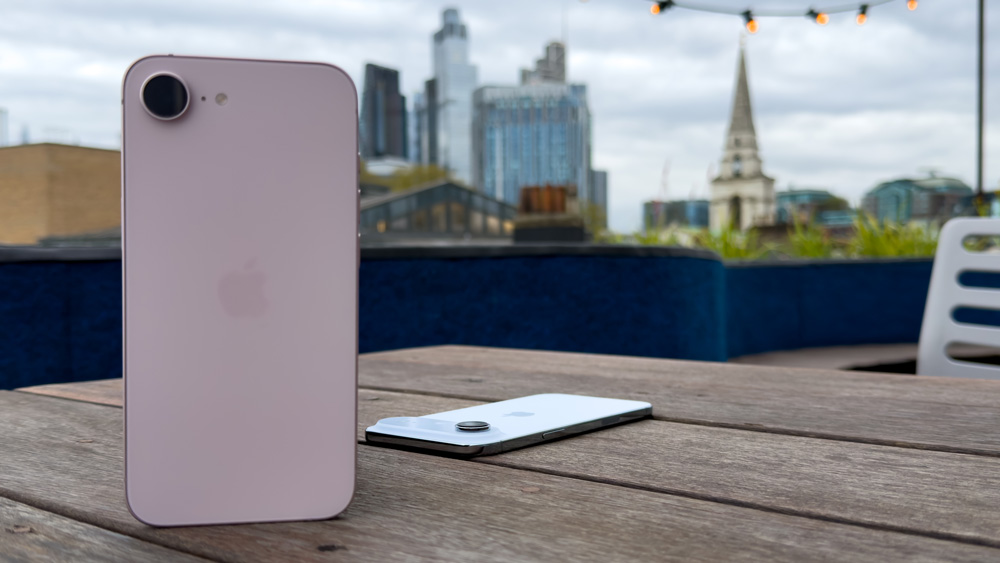
Although it’s not an official line, I have a sneaky feeling that Apple may have seen this crisis coming a while back.
The split strategy
Apple has decided to go for a split strategy for iPhones as of this year.
The September iPhone event will now only see the Ultra (if that’s what the foldable is going to be called) and the iPhone 18 Pro & 18 Pro Max released.
Then in the spring, they’ll release the new iPhone Air, the iPhone 18 and 18e. On the face of it, that seems simple enough, right? The Pro phones will be showcased in the autumn, and the more budget or niche phones will be released the following spring at their own separate event.
It’ll give them two bites at the marketing cherry – but there may be more to it than that! What if this were more of a supply decision rather than a marketing one?
By going to a split release, it will mean that rather than trying to find all the storage for the entire range at one time, now they can space things out and give themselves a bit of breathing space.
You have to admit, put like that, it makes sense, doesn’t it?
I guess that the iPhone will get its price increase at the September event. There’s no way I can see their most prized and highest-volume device escaping the price increases.
Whatever the final fallout of this will be, the financial markets reacted immediately to these increases as the company’s stock fell by 6% following the announcement.
Waiting it out is not the answer
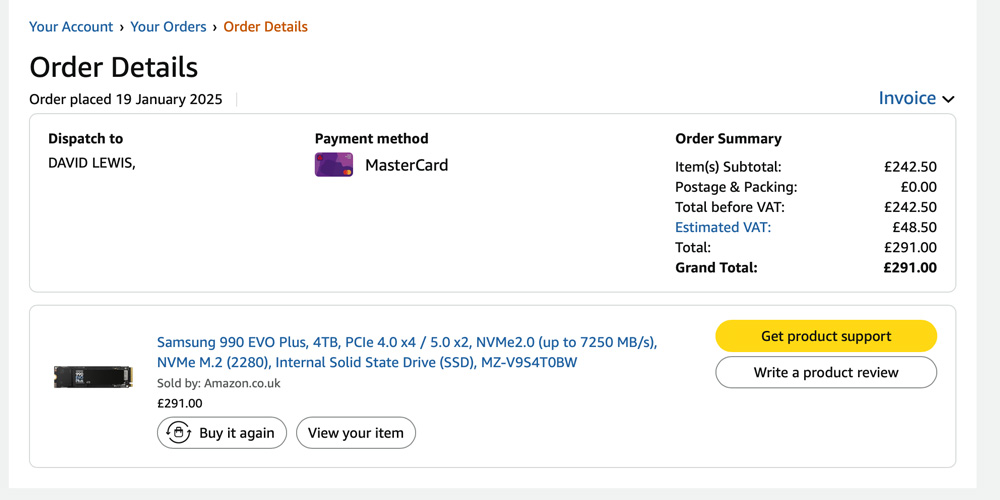
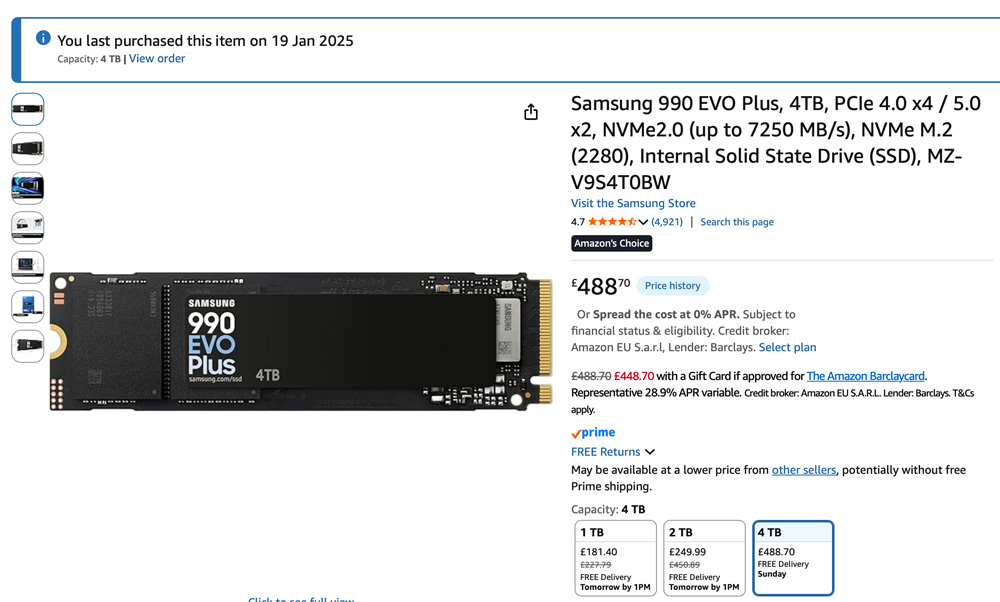
I bought some Samsung memory early in 2025. I bought 4TB of NVMe storage for £291. Today that would cost me £488!
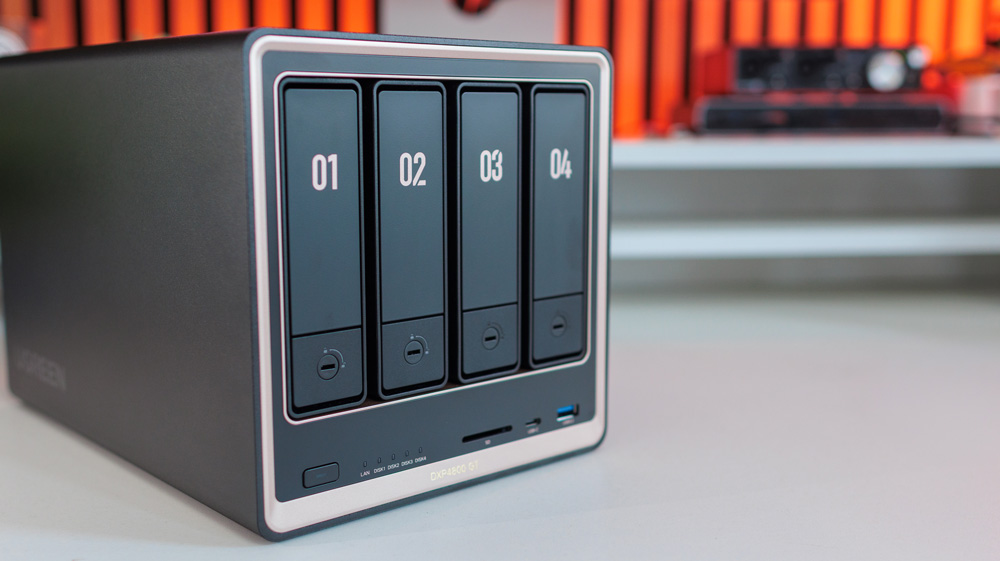
I’ve recently started to use a NAS heavily in my workflow, and I’m keen to add some memory for cache and some more RAM to it – but for now, that will have to remain a dream. I can’t justify the cost.
AI has single-handedly created this crisis.
There are no signs of it easing up either. Suppliers just can’t keep up with demand, and until they can work out a way to ramp up production, this crisis will continue.
Earlier this summer, I was talking to a NAS supplier at a trade show I attended, and they warned not to expect anything to ease up until late 2027…at the earliest!
Suppliers will obviously fulfil the order books of Amazon, Google, data centres and Apple first, while we, the consumer, will be left to pick up the pieces and pay the price.
Sadly, though, there is no point in thinking waiting is the answer. This shortage is here for the foreseeable future, so if you need a Mac or an iPad, you may just as well bite the bullet and buy one. Prices are set to be heading only one way for a good while to come – and once they’ve gone up…
Now that Apple has shown their hand and that it can no longer absorb these new inflated memory & RAM costs, who’s to say that we might soon see once-or twice-a-year price increases becoming the norm?
We are paying a high price indeed for our lust for AI, and our tech is about to bear the brunt of the hunger of our AI dreams.
You should always be careful of what you dream – those dreams can come true, and sometimes with pretty nasty consequences.
